Study: Simple Hygiene Could Stop People Spreading Snake Fungal Disease
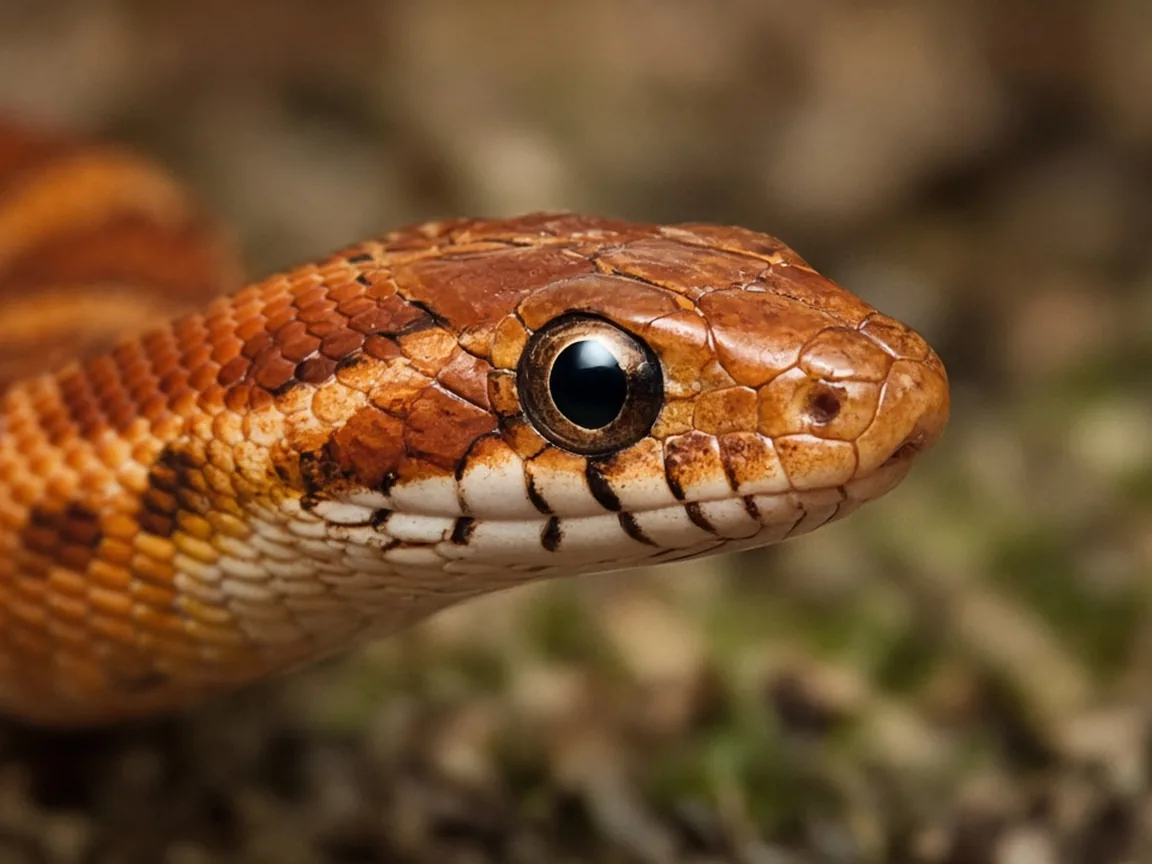
Snake fungal disease has now been confirmed in wild Australian snakes, and researchers at the University of Queensland say the people who handle reptiles could be helping it travel. Their new review in Conservation Biology sets out how fungal spores can ride on hands, bags, hooks and boots, and recommends simple, cheap hygiene steps to cut that risk.
The news in brief
- What: a review of how people who handle wild reptiles might spread emerging fungal diseases, with practical biosecurity guidelines.
- Who: Patrick Champagne, Richelle Butcher, Lachlan Bourke, Lorenzo Seneci and Laura Grogan, all at the University of Queensland.
- Where published: Conservation Biology, 26 September 2026, open access under a CC BY 4.0 licence. Champagne, Grogan and Shelly Butcher explained the work for the public in The Conversation on 12 October 2026, and the article was republished by the University of Queensland and Phys.org.
- Why now: spring in Australia, when reptiles are active and snake catchers and "herpers" (reptile enthusiasts) are out in the field.
- Main message: there is no evidence yet that people are spreading these fungi between wild Australian populations, but the pathways exist, and the fixes are easy.
What is snake fungal disease?
Snake fungal disease, or ophidiomycosis, is caused by the fungus Ophidiomyces ophidiicola. The authors describe it as one of several "novel and emerging potentially catastrophic" fungal diseases of reptiles. In The Conversation, they explain that these infections can cause severe skin disease, disrupt shedding (the process our glossary calls ecdysis), and leave animals weak and emaciated, and that overseas the disease has been linked to a fall in wild snake populations. Related fungi in the genus Nannizziopsis affect lizards such as eastern water dragons, as well as carpet pythons.
Is it really in wild Australian snakes?
Yes. An earlier 2026 paper in the Australian Veterinary Journal, led by R. G. Butcher with Grogan as a co-author, described 10 wild reptiles from five native species that were brought to the Australia Zoo Wildlife Hospital in 2023 and 2024 with fungal skin disease. Five were coastal carpet pythons. The team confirmed Ophidiomyces ophidiicola in carpet pythons, an eastern bandy-bandy and a white-crowned snake. The paper reports these as the first known cases of the fungus in free-ranging Australian reptiles, and the first case of Nannizziopsis barbatae in any snake species worldwide. Nine of the ten animals with confirmed PCR results died or were euthanised in care.
How could people spread it?
The new review points out that handling wild reptiles has become more common, among amateur enthusiasts, researchers, photographers and social media creators, and through wildlife ecotourism trips. In their Conversation article, the authors add three reasons this matters:
- Infections are not always visible. A reptile can carry and shed the fungus without looking sick, so avoiding sick-looking animals is not enough.
- The fungi persist in the environment. They can survive in soil and decaying matter, so a muddy boot, a used snake bag or an unwashed snake hook could move them between places.
- Handlers move around. A snake catcher may attend several call-outs across a city in one day, carrying the same equipment.
The authors are careful to say they "don't yet have evidence that people are spreading reptile fungal pathogens between wild Australian reptile populations." Their point is that the routes exist, as they did for amphibian chytrid fungus, which human activity helped carry to remote frog refuges. They also note that snake fungal disease was found in captive Australian snakes years before it was detected in the wild, and that the pet trade is a likely source of introduction.
What do the researchers recommend?
Their guidelines are aimed at people who already handle reptiles with the right training, authorisation or licence. They stress that everyone else should avoid handling wild reptiles. As summarised in The Conversation, the steps are:
- Clean hands between animals, by changing disposable gloves or using alcohol gel or wipes.
- Use one bag per animal, carry spares, and wash bags before reusing them.
- Clean hooks and tools, then disinfect them, leaving the disinfectant on for the contact time the authors give (2 to 10 minutes).
- Remove soil from boots and disinfect them between sites.
- Keep captive and wild reptiles apart, with separate equipment.
- If you see a reptile with crusty or discoloured skin, leave it where it is, photograph it and contact a local wildlife hospital or vet.
The authors frame this as "handle with care, not fear": they are not asking people to stop rescue, relocation or research work, only to treat hygiene as part of responsible wildlife stewardship, as frog researchers have done for years.
What does this mean for everyone else?
For most people the advice is the same as on our snake safety page: watch wild snakes from a distance and don't pick them up. If you keep a pet snake, the "keep captive and wild reptiles apart" step matters too, and our pet snake health section covers signs that a snake needs a reptile vet. If you live in Australia and want to know which local snakes are dangerous, see the Australia section of our ID guide.
Keep exploring
Sources
- Champagne, P. S., Butcher, R. G., Bourke, L. A., Seneci, L., & Grogan, L. F. (2026). Mitigating the human link in emerging reptile fungal pathogen transmission. Conservation Biology, e70391. Published 26 September 2026. doi:10.1111/cobi.70391
- Butcher, R. G., Ng, B., Hyndman, T. H., Wesson, J. P., Jones, E., Williams, M., Brown, D., Kay, E., Gillett, A., Valenza, L., & Grogan, L. F. (2026). Emergence of Ophidiomyces ophidiicola, Nannizziopsis barbatae and Paranannizziopsis in free-ranging Australian reptiles. Australian Veterinary Journal, 104(6), 376–384. doi:10.1111/avj.70060
- Champagne, P., Grogan, L., & Butcher, S. (2026, October 12). Deadly fungi are harming Australia's wild reptiles. This is how to stop the spread. The Conversation. theconversation.com (also republished by the University of Queensland Faculty of Science and Phys.org)
This post is written in our own words from the published abstracts and bibliographic records of both papers (checked via Crossref) and the authors' own article in The Conversation, as republished by Phys.org. Short quotes are attributed to the authors. The hygiene steps are the researchers' recommendations for trained handlers, not veterinary advice. No images are used.
Cite this page
APA: SnakeWise. (2026, October 18). Study: Simple Hygiene Could Stop People Spreading Snake Fungal Disease. SnakeWise. https://snakewise.org/blog/snake-fungal-disease-australia-biosecurity-study.html