SnakeWise Blog
Snake species profiles and fact articles in plain language. Every post cites the studies and references behind its facts, so you can check them yourself.
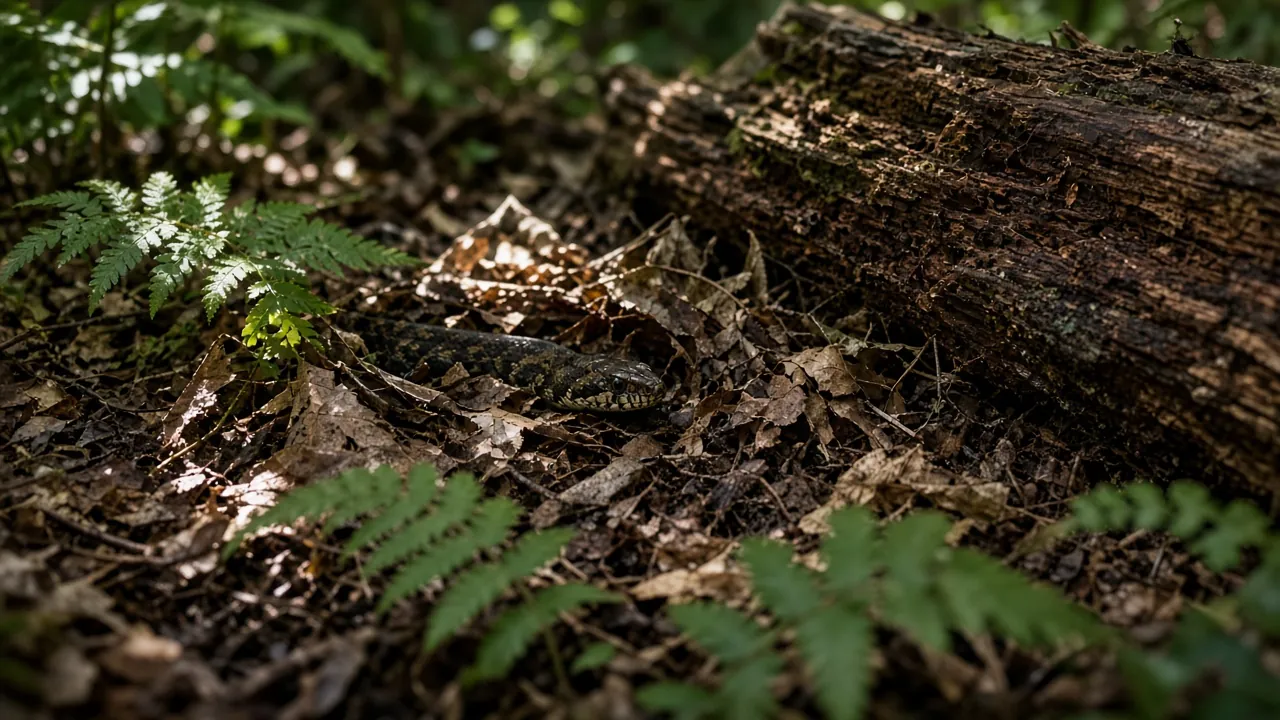
Are Snakes Cold-Blooded? How They Warm Up and Cool Down
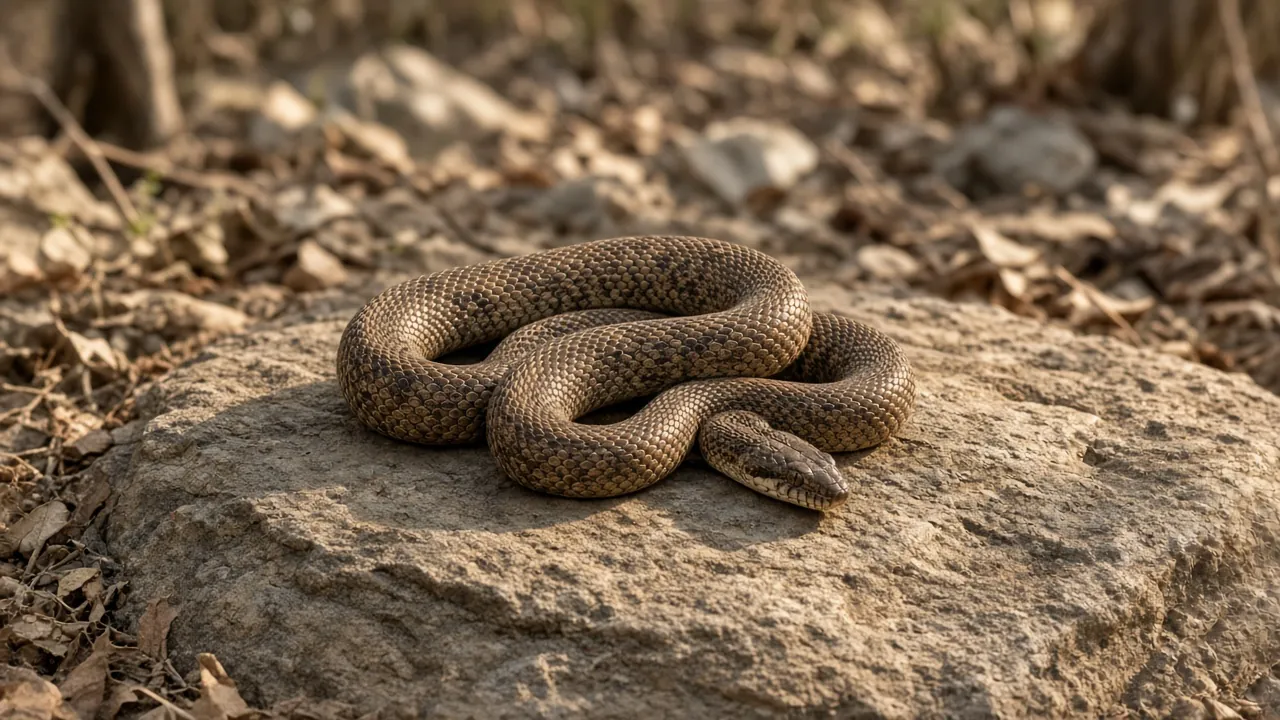 18 November 2026 · Snakes are ectotherms: they bask or lie on warm surfaces to heat up, and they move into shade or cover to cool down. Source: AI-generated image
What Should You Do If You Find a Snake in Your Yard?
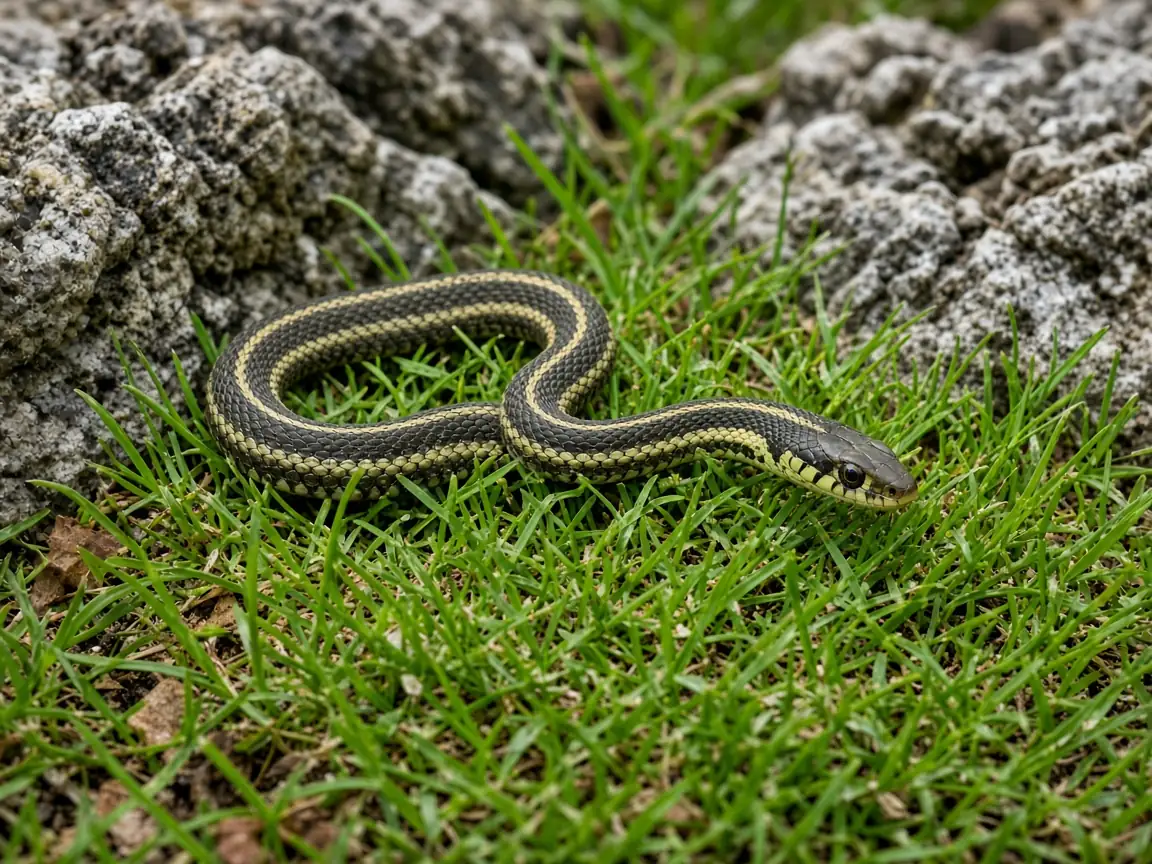 16 November 2026 · Give it space, keep children and pets away, and do not try to catch or kill it. Florida FWC guidance on why snakes visit yards and when to call a professional. Source: AI-generated image
Why Are There Burmese Pythons in the Everglades?
 13 November 2026 · Burmese pythons are in the Everglades because pet pythons escaped or were released in the 1980s. How they spread, what they harm and why removal is hard.
How Do Snakes Swallow Prey Larger Than Their Heads?
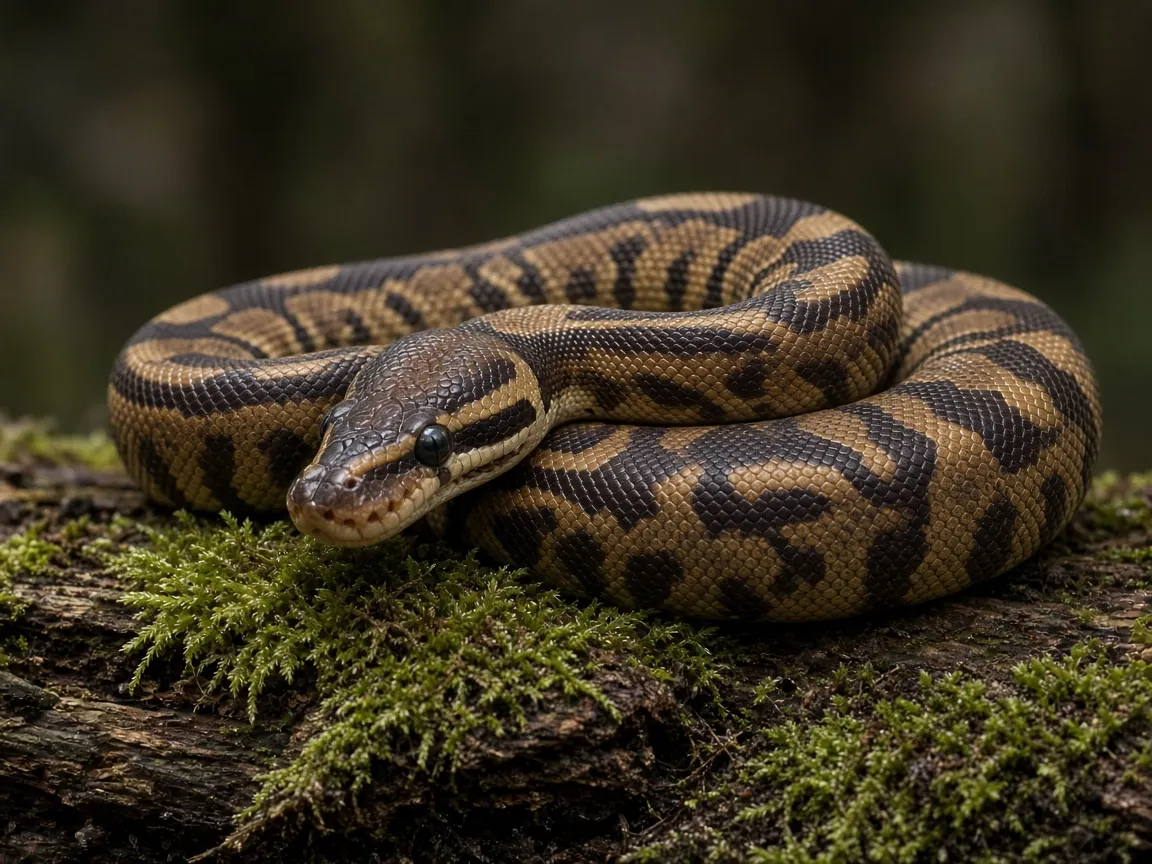 12 November 2026 · Snakes do not dislocate their jaws. Elastic ligaments, a mobile quadrate bone and a ratcheting pterygoid walk let them swallow big meals.
How Many Species of Snakes Are There? About 4,250 and Counting
11 November 2026 · The Reptile Database lists 4,252 snake species as of 11 November 2026. Why the count changes and how it compares with lizards and turtles.
Do Snakes Have Eyelids? How a Clear Spectacle Protects Their Eyes
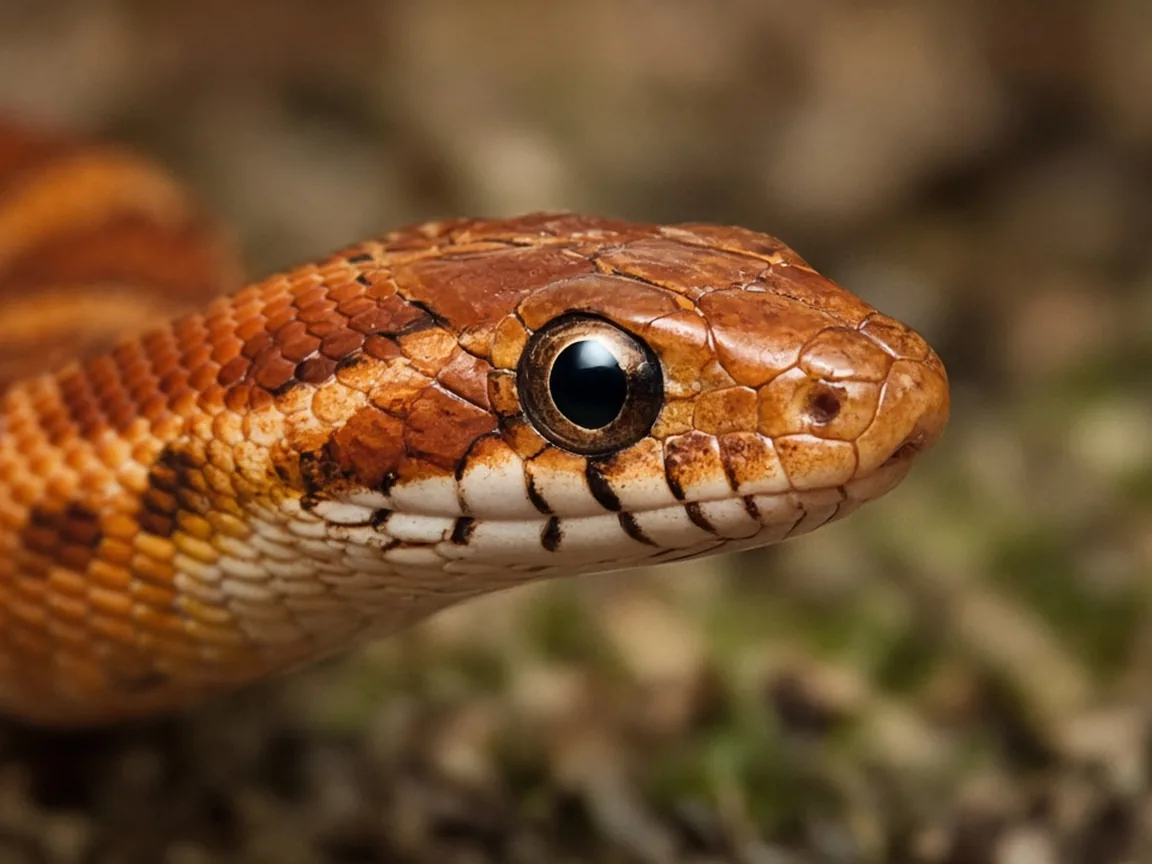 9 November 2026 · Snakes cannot blink because they lack movable eyelids. A clear protective scale covers each eye and is shed with the skin.
Do Snakes Have Necks? What a Snake's Spine Really Looks Like
6 November 2026 · Snakes do have a neck region behind the head. How the spine is divided, why it has hundreds of vertebrae, and what the science says.
Can Snakes Swim? What Tests Show Across 500+ Species
5 November 2026 · Every snake tested so far can swim. How undulation works, who is fastest, and how temperature changes performance.
How Fast Is a Black Mamba? mph, Myths and What Guinness Records
5 November 2026 · About 10 to 12 mph in short bursts. Guinness figures, myth checks, and why speed is mainly for escape.
Why and How Do Snakes Shed Their Skin? Ecdysis Explained
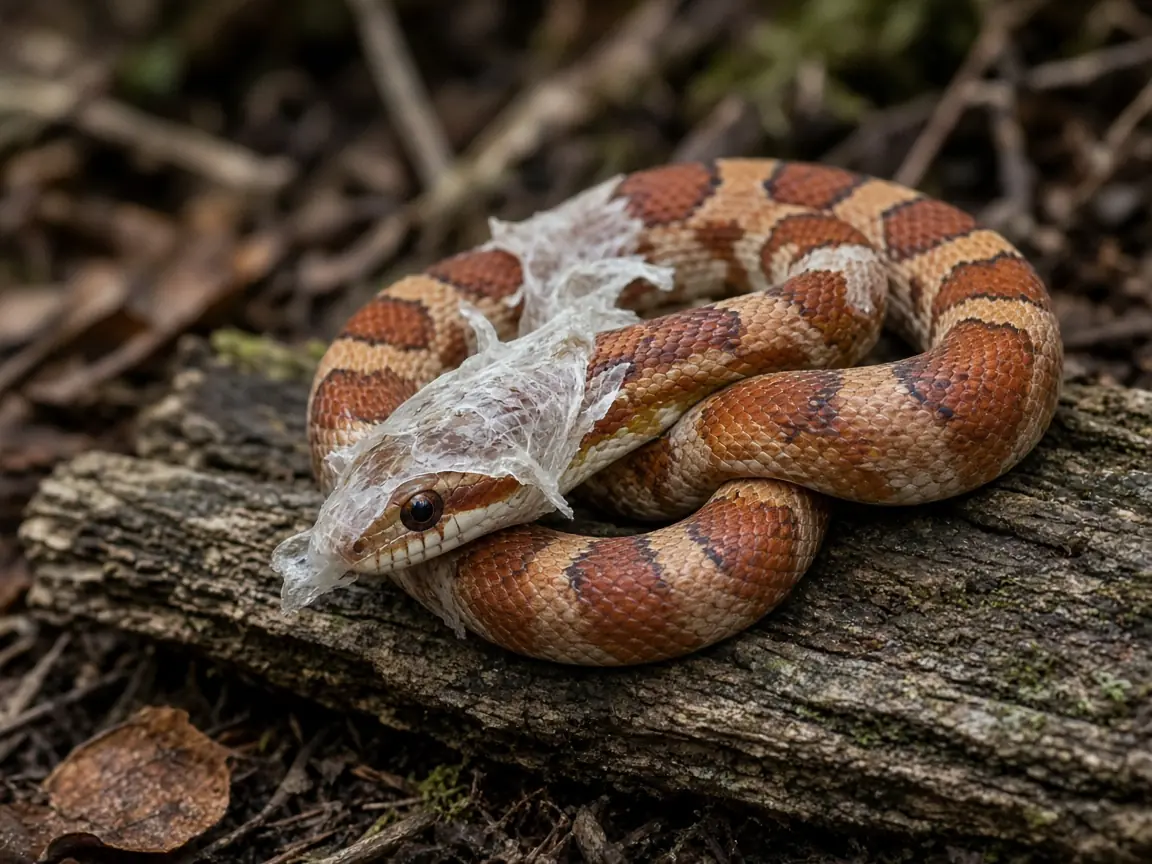 2 November 2026 · Why snakes shed their skin (ecdysis): the outer layer is dead tissue that cannot grow or heal, how often sheds happen by age, the cloudy "blue-eye" phase, and what a shed skin does and does not reveal, from cited studies.
Which Countries Have No Snakes? Ireland, New Zealand and More
1 November 2026 · Why Ireland, New Zealand, Iceland and Greenland have no native land snakes, and the venomous sea snakes that drift into New Zealand waters.
Why Do Snakes Flick Their Tongues? How the Forked Tongue Works
28 October 2026 · Snakes flick their tongues to smell. How the forked tongue finds scent trails, where the chemicals go, and why flicking changes in water and after a strike.
Study: A Rapid Strip Test to Tell Krait Bites From Cobra Bites
28 October 2026 · News: a Scientific Reports study built a prototype nanobody strip test that detects krait toxin without reacting to cobra venom at clinical levels. Lab-only so far.
Can Snakes See Heat? How Pit Vipers Sense Infrared
27 October 2026 · Pit vipers, pythons and boas sense infrared with pits on their faces. How the pits work, how sensitive they are, how rattlesnakes hunt with them and why they may have evolved for finding warmth, from cited studies.
Study: Snakebites May Envenom Up to 7 Million People a Year
27 October 2026 · News: a PLOS Medicine study estimates at least 2.1 million snake envenomings and 274,000 deaths a year, possibly up to 7 million and 513,000, with sub-Saharan Africa bearing about 45% of the burden.
Baby Copperhead Identification: Yellow Tail, Bands and Look-Alikes
26 October 2026 · How to recognise a baby copperhead: yellow lure tail, hourglass bands, plain head, a corn snake comparison table, and what peer-reviewed bite studies say.
What Is the Longest Snake in the World? The Reticulated Python Explained
26 October 2026 · The reticulated python is the longest snake species, but most wild adults are 2.5–3 m and only about 1% pass 4.5 m. Why record lengths are hard to trust, the heavier green anaconda, and the 13 m extinct Titanoboa, from cited studies.
How Venomous Is the Inland Taipan? The World's Most Toxic Snake Venom
25 October 2026 · The inland taipan has the most toxic venom of any snake in mouse tests, about 0.01 mg/kg. What is in its venom, what a bite does to people, and why only about a dozen bites have ever been documented.
Study: Individual Rattlesnakes Are Consistent in How Much Venom They Use
23 October 2026 · News: a Frontiers in Ethology study tested 48 southern Pacific rattlesnakes three times each and found individual snakes were consistent in how readily they bit and how much venom they released, beyond body size.
Why Do Garter Snakes Form Mating Balls? The Narcisse Snake Dens Explained
20 October 2026 · At Manitoba's Narcisse dens, up to 100 male red-sided garter snakes pile onto one female each spring. How scent, outnumbered females, "she-males" and mating plugs explain the snake balls, from cited studies.
Study: Tiny Dwarf Reed Snakes Cartwheel to Escape, and Keep Their Heads Steady
20 October 2026 · News: a Current Biology study filmed three Borneo dwarf reed snake species rolling in cartwheels at up to 3.7 metres per second while holding their heads steady.
How Do Egg-Eating Snakes Eat Eggs? Inside the Shell-Cracking Snake
19 October 2026 · African egg-eating snakes swallow bird eggs whole, crack them on spikes from their backbone and spit out the shell. How big an egg they can manage, how rarely they eat, and their fake viper act, from cited studies.
Study: Removing Large Female Burmese Pythons Has the Biggest Impact
19 October 2026 · News: University of Florida researchers score each invasive python removed in Florida by its likely effect on population growth, find large females matter most, and use machine learning to forecast high-impact searches.
Which Snake Has the Longest Fangs? The Gaboon Viper Explained
18 October 2026 · The Gaboon viper's fangs reach about 5 cm. How viper fangs fold, why they evolved to be so long, how this ambush hunter hides, and how dangerous its bite is.
Study: Simple Hygiene Could Stop People Spreading Snake Fungal Disease
18 October 2026 · News: University of Queensland researchers set out how snake handlers could spread snake fungal disease, now confirmed in wild Australian snakes, and the cheap hygiene steps that cut the risk.
Study: Snakes Escalate Their Warning Sounds Before Biting, Across 73 Species
17 October 2026 · News: a study of 220 snakes from 73 species finds hisses, rattles and other warning sounds get longer and stronger as threat rises, with biting kept as a last resort.
What Is the Smallest Snake in the World? Meet the Barbados Threadsnake
16 October 2026 · The Barbados threadsnake is about 10 cm long and weighs 0.6 g. Why snakes can't get much smaller, how threadsnakes eat ants, and its 2025 rediscovery.
Study: Sri Lanka's Spectacled Cobras Form a Distinct Genetic Lineage
16 October 2026 · News: a genetic study of 67 spectacled cobras finds mainland Indian cobras are one mixed population, while Sri Lanka's form a distinct lineage that split about 2 million years ago.
How Do Sea Snakes Breathe Through Their Skin?
15 October 2026 · Yellow-bellied sea snakes take up to a third of their resting oxygen from seawater through their skin and dump most of their carbon dioxide the same way, helping them stay down for over three hours.
Study: Venomous Snakes Are More Likely to Stand Out From Their Surroundings
15 October 2026 · News: a study of 458 species finds venomous snakes stand out more against their own habitats than harmless ones, though colour alone is still no safe ID rule.
How Do King Cobras Build Nests?
14 October 2026 · Female king cobras pile leaf litter into a mound nest that stays about 3 °C warmer than air, then guard the eggs — a rare parental strategy among snakes.
Can Snakes Hear? How Snakes Hear Without Ears
13 October 2026 · How snakes pick up low sounds and vibrations through the jaw and skull without ears, what pythons and rattlesnakes revealed in hearing studies, and how different snakes react to sound.
Can Snakes Reproduce Without Mating? Meet the Brahminy Blind Snake
12 October 2026 · The Brahminy blind snake (flowerpot snake) is the only snake known to reproduce without mating — all females, triploid, and spread worldwide in soil.
How Long Can a Snake Go Without Eating? What Pythons Reveal
11 October 2026 · How snakes survive months without food by slowing their metabolism and burning fat, and why a Burmese python's gut and heart grow after a big meal.
How Do Sidewinder Snakes Move? The Science of Sidewinding
9 October 2026 · How the sidewinder rattlesnake lifts its body in two waves to cross sand with almost no slip, climb dunes and save energy.
Paradise Flying Snake: How a Snake With No Wings Glides
8 October 2026 · How Chrysopelea paradisi jumps, flattens its body and undulates to glide about 10 m between trees.