What Should You Do If You Find a Snake in Your Yard?
If you find a snake in your yard, stay calm, keep people and pets well back, do not try to catch or kill it, and let it move on; call a local wildlife professional if it stays in a busy area or comes indoors.
The first move is to give it space
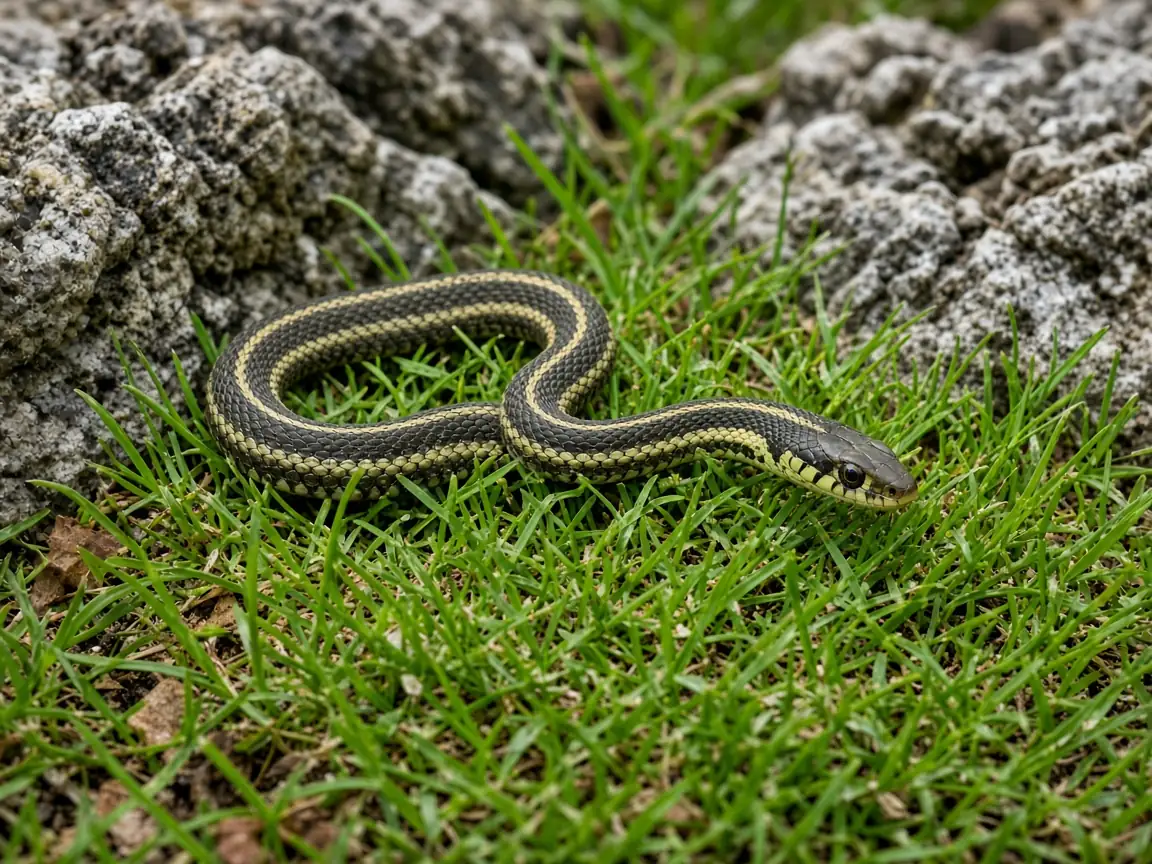
A snake in a garden can be startling, especially when a child or pet is nearby. The safest first response is usually simple: stop, move away and let the animal have an exit route. Do not try to catch it, push it with a stick or get close enough for a selfie. The Florida Fish and Wildlife Conservation Commission explains that most snakes prefer to avoid people and that a snake crossing a yard may soon be elsewhere. Many are valuable predators of rodents and other small animals. A snake's presence does not by itself mean the property is unsafe or infested. If the animal is in an area with immediate risk to people or pets, keep everyone away while you obtain help from an appropriate local wildlife professional.
Keep children and pets at a distance
Bring dogs indoors or onto a short leash without approaching the snake. Direct children away from the area and explain that they should not touch, corner or throw anything at it. A dog may investigate with its nose before an adult notices the danger, so supervision matters even in fenced yards. Do not attempt to move a snake by grabbing its tail. The animal may turn defensively, and it can be difficult to identify safely under stress. If you can watch from a secure indoor position, note where the snake moves without blocking its escape. When a snake disappears into vegetation, avoid reaching blindly into that spot. If a pet is bitten or appears injured after an encounter, contact a veterinarian promptly instead of waiting for symptoms to become severe.
Do not trust quick identification tricks
People often repeat that every snake with a triangular head is venomous, or that pupil shape alone tells the answer. Such shortcuts are unreliable across different species and regions. FWC points out that most Florida snakes are harmless: only six of the state's 50 snake species are venomous. Some harmless snakes flatten their heads when threatened, which can mimic a triangular shape. Colours and patterns also overlap among species, and juveniles can look different from adults. Do not move closer just to inspect an eye, head or tail. If identification is important, a clear photograph taken from a genuinely safe distance can be useful to a qualified local expert. Until the snake is confidently identified, treat it as potentially venomous and avoid handling it. Geographic location helps narrow possibilities but does not replace professional judgement.
Why snakes visit gardens
A garden can offer shade, cover, water and prey. Piles of lumber, brush or debris create shelter. Spilled birdseed can attract rodents, which in turn attract snakes. The FWC living-with-snakes guidance recommends reducing rodent attractants and removing accumulations of materials that provide cover around dwellings. Keep pet food secured and deal with persistent rodent problems using safe methods. Do not assume that every snake came because something is wrong with the property: gardens are part of larger habitats, and snakes may simply pass through. Species differ greatly in behaviour, and seasonal changes affect how often they are seen. Habitat adjustments can make close encounters less likely but cannot guarantee a snake-free yard. When tidying outdoor storage, wear suitable footwear and gloves and look before moving items, without putting hands into hidden spaces. Keep walkways clear enough to see where feet are placed. These habits are practical precautions rather than evidence that every outdoor object conceals a snake. If an animal is already visible, stop the task and give it an opportunity to move away before continuing.
When to seek a trained professional
A snake that remains in a high-traffic area, enters a building or is suspected to be venomous may require assistance. Contact local wildlife authorities or an experienced, appropriately licensed removal professional familiar with local law. Rules about possession, relocation and protected species differ by jurisdiction. Avoid amateur trapping or moving a snake to a distant location: that may be dangerous, illegal or harmful to the animal. The FWC wildlife coexistence programme recommends resolving conflicts through practical changes and professional advice where needed. If the snake is simply travelling across an open part of the garden, giving it time and distance is often the best course. There is no need to confront an animal that poses no immediate threat.
What to do after a suspected bite
If a person may have been bitten by a venomous snake, seek emergency medical care immediately. Keep the person calm and as still as practical while arranging transport. Call your local emergency number (911 in the United States) and follow the dispatcher's instructions; in the US, Poison Control (1-800-222-1222) can also advise. Do not attempt to capture the snake for identification, and do not rely on home remedies. Medical teams can manage snakebite without the patient bringing the animal to hospital. If safe, remember its general appearance or provide a distant photograph, but treatment comes first. The FWC guidance on eastern diamondback rattlesnakes emphasises giving these animals space and not handling them. The safest encounter ends without anyone getting close enough to be bitten.
FAQ
Should I kill a snake in my yard?
Usually no; keep your distance and let it leave.
Can I identify it from head shape?
Not reliably.
Do snakes chase people?
Most encounters involve defensive behaviour or attempts to escape, not deliberate pursuit.
Will one snake mean there is a nest?
Not necessarily.
What if it enters the house?
Isolate the area and contact a qualified local professional.
What if someone is bitten?
Seek urgent medical assessment, especially when the species is unknown.
Explore more: snake safety, venomous or not?, snake myths vs facts, snakes and pets, snake habitats
Sources
- Living with snakes: Florida Fish and Wildlife Conservation Commission (accessed 16 Nov 2026)
- Eastern diamondback safety: Florida FWC (accessed 16 Nov 2026)
- Wildlife coexistence: Florida FWC (accessed 16 Nov 2026)
Cite this page
APA: SnakeWise. (2026, November 16). What Should You Do If You Find a Snake in Your Yard?. SnakeWise. https://snakewise.org/blog/what-to-do-if-you-find-a-snake-in-your-yard.html
MLA: "What Should You Do If You Find a Snake in Your Yard?." SnakeWise, 16 Nov. 2026, snakewise.org/blog/what-to-do-if-you-find-a-snake-in-your-yard.html.
Chicago: SnakeWise. "What Should You Do If You Find a Snake in Your Yard?." SnakeWise. November 16, 2026. https://snakewise.org/blog/what-to-do-if-you-find-a-snake-in-your-yard.html.