Do Snakes Have Eyelids? How a Clear Spectacle Protects Their Eyes
Snakes do not have movable eyelids, so they cannot blink. Instead, each eye has a transparent protective covering called a spectacle, which is normally replaced when the snake sheds its skin.
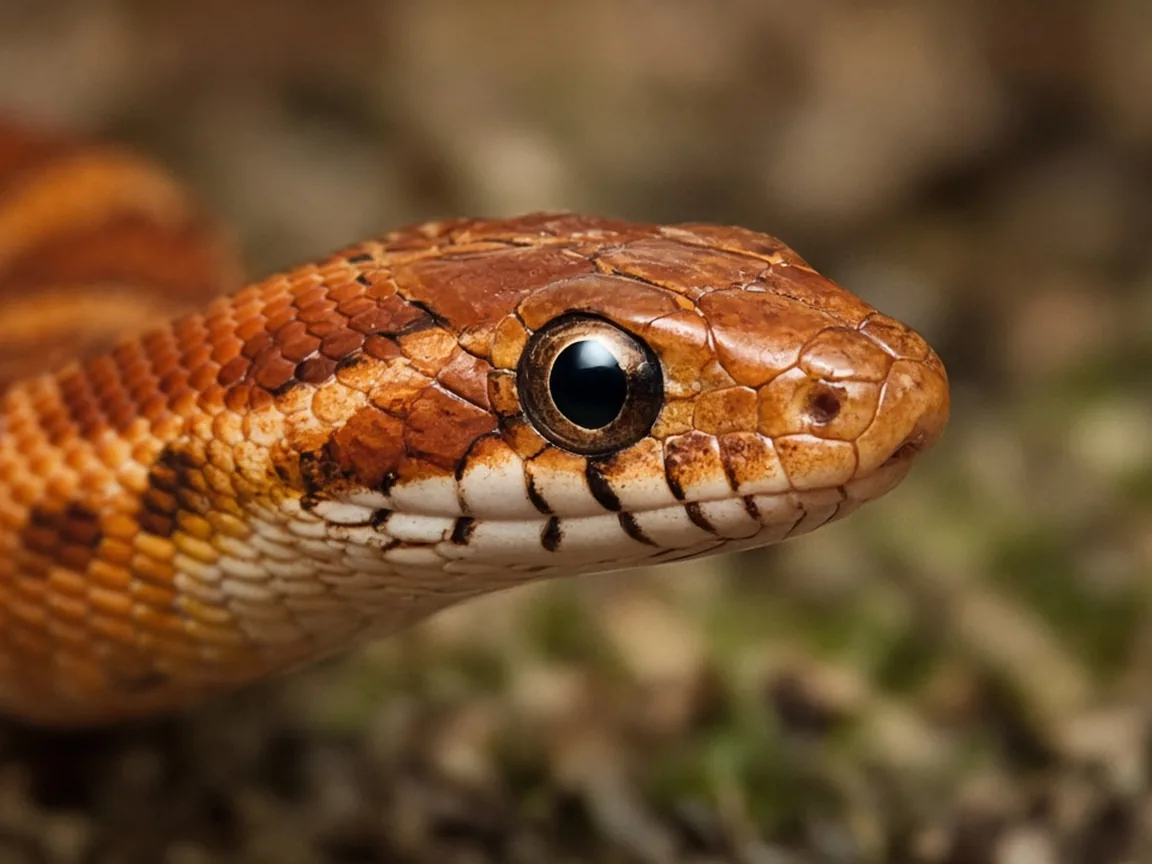
The clear covering that replaces a blink
Snakes do not have movable eyelids and cannot blink the way people do. Instead, each eye is covered by a transparent protective structure commonly called a spectacle or eye cap. Merck Veterinary Manual describes this covering as formed from fused eyelids over the cornea. It protects the eye while allowing the snake to see through it.
That explains the fixed, seemingly unblinking stare that makes snakes look so different from mammals. It does not mean their eyes are unprotected or that they never rest. Their anatomy simply uses a different solution from the moving eyelid found in humans.
How the spectacle works
The spectacle forms a clear barrier over the front of the eye. Because it stays in place, the snake does not need to close an eyelid to cover the eye surface. The covering is part of the animal's outer skin system and is normally replaced when the snake sheds.
This is not a pair of removable contact lenses, and owners should never treat the covering as something to peel away. Merck explains that damage to the spectacle can expose or injure delicate eye structures. The difference matters especially when a shed is incomplete and the eye looks cloudy afterward.
Why a snake's eyes look cloudy before shedding
Before a shed, a snake's eyes may become dull or bluish as the old outer covering separates from the new layer. Merck notes that the eyes can appear less clear when shedding is imminent. The cloudy appearance can be a normal temporary part of the shedding process rather than evidence that the animal has suddenly gone blind.
During this period, avoid unnecessary handling of a pet snake. It may be less comfortable with disturbance when vision is temporarily affected. Maintain the species-appropriate enclosure conditions recommended by a qualified reptile veterinarian or reputable husbandry guidance, rather than making dramatic changes based on a single cloudy-eye observation.
What if the eye cap does not shed?
Sometimes an old spectacle remains attached after the rest of the skin comes off. This is called a retained spectacle or retained eye cap. Merck identifies abnormal shedding as a problem that can be associated with husbandry conditions and illness. A retained covering may appear as a dull, wrinkled, or layered surface over the eye.
Do not pull, scrape, or pick at it. Merck specifically warns that forcing off an eye cap can damage the new covering underneath. A reptile-experienced veterinarian can assess whether a spectacle is actually retained and decide on safe treatment. Home attempts to remove it with tweezers are particularly risky because the eye is delicate.
When an eye problem needs veterinary care
Not every cloudy eye is a routine shed. Persistent swelling, discharge, an obvious injury, repeated poor sheds, or changes in behavior warrant veterinary attention. Merck describes abscesses that can form beneath the spectacle, as well as other infections that can affect the eye. These problems cannot be reliably diagnosed from a photograph alone.
For pet snakes, the safest response is to check that enclosure temperature, humidity, water access, and surfaces suit the species, then seek professional advice for concerning symptoms. For a wild snake, do not attempt to handle it to inspect the eye. Observe from a safe distance and contact an appropriate wildlife professional if assistance is needed.
What snake owners can observe safely
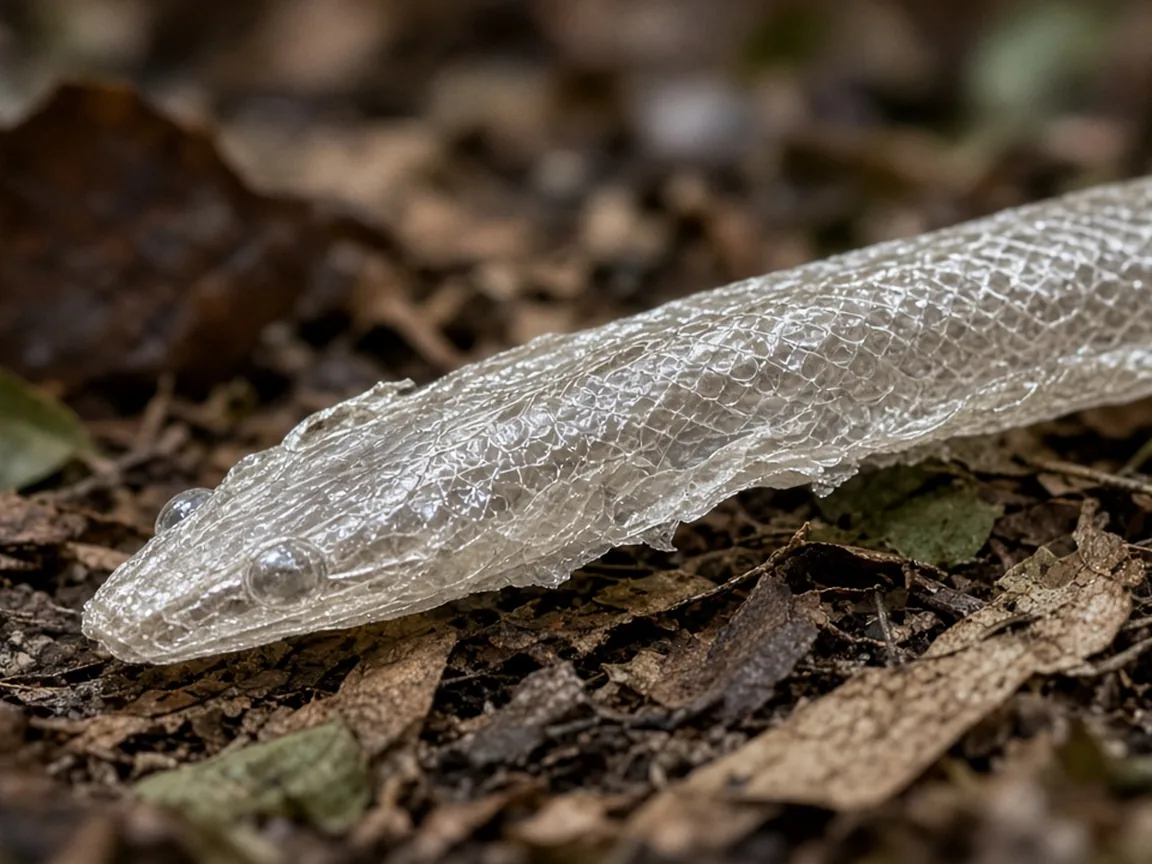
A healthy eye generally appears smooth and clear outside the normal shedding period. Keeping a record of ordinary shedding patterns can make unusual changes easier to notice. A complete shed skin may show the transparent eye coverings attached to the head portion. That can reassure an owner that the old spectacles came away, although a veterinary examination is appropriate if the eyes still look abnormal.
Avoid trying to diagnose the eye by repeatedly handling the snake or shining bright lights at it. Changes in humidity or temperature should follow species-specific guidance, not improvised treatments. If the animal has an eye injury or a persistent retained cap, professional care is safer than experimenting with tools or ointments at home.
Putting the explanation in perspective
The most useful way to understand this question is to distinguish direct observation from interpretation. An animal may display a visible behavior or body feature, but the reason it matters depends on anatomy, surroundings, and what the animal is doing at that moment. A trustworthy explanation does not need to turn every observation into an absolute rule. It can identify a well-supported function while acknowledging that individuals and situations differ.
This distinction is especially important when photographs and short videos circulate without context. A moment that looks unusual to a human viewer may be routine for the species. Conversely, a genuine health or welfare concern should not be dismissed simply because a superficially similar behavior is common. The sources listed below are useful starting points because they describe animals in the context of biology, veterinary care, or conservation rather than relying on a single striking image.
FAQ
Can snakes blink?
No. Snakes lack movable eyelids.
Do snakes close their eyes when sleeping?
No. The protective spectacle stays in place even while the snake rests.
Is a cloudy eye always an emergency?
No. It may precede shedding, but persistent or abnormal cloudiness deserves veterinary assessment.
Can I peel off a retained eye cap?
No. Removal attempts can injure the eye. Contact a reptile-experienced veterinarian.
Explore more: snake anatomy, why and how snakes shed their skin, pet snakes, spectacle (glossary), snake safety, do snakes have necks?
Sources
- Merck Veterinary Manual (pet owner version): Description and physical characteristics of reptiles. www.merckvetmanual.com
- Merck Veterinary Manual: Clinical procedures for reptiles. www.merckvetmanual.com
- Merck Veterinary Manual: Environmental diseases and traumatic injuries of reptiles. www.merckvetmanual.com
- Merck Veterinary Manual (pet owner version): Disorders and diseases of reptiles. www.merckvetmanual.com
Cite this page
APA: SnakeWise. (2026, November 9). Do Snakes Have Eyelids? How a Clear Spectacle Protects Their Eyes. SnakeWise. https://snakewise.org/blog/do-snakes-have-eyelids.html
MLA: "Do Snakes Have Eyelids? How a Clear Spectacle Protects Their Eyes." SnakeWise, 9 Nov. 2026, snakewise.org/blog/do-snakes-have-eyelids.html.
Chicago: SnakeWise. "Do Snakes Have Eyelids? How a Clear Spectacle Protects Their Eyes." SnakeWise. November 9, 2026. https://snakewise.org/blog/do-snakes-have-eyelids.html.