Pet snakes for beginners
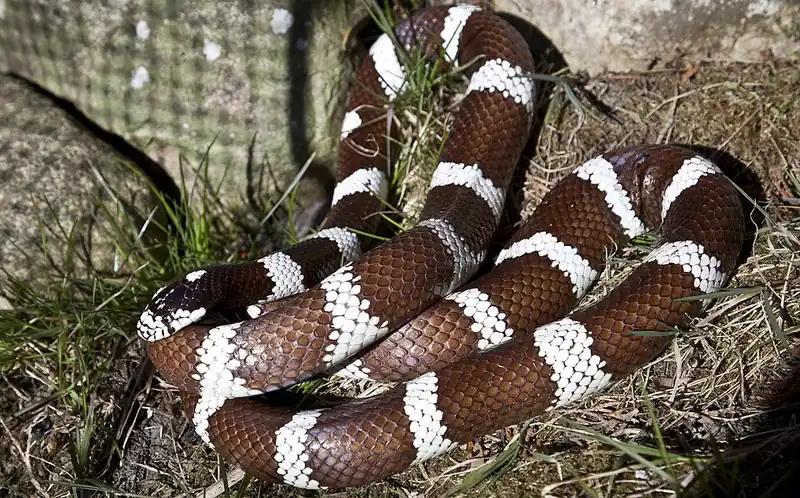
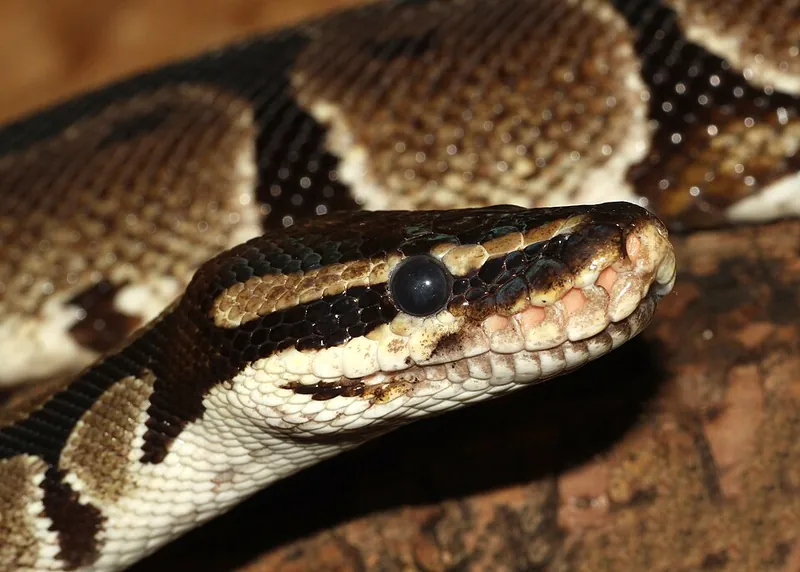
A pet snake can live 15 to 30+ years and needs a secure enclosure, a controlled heat gradient, correct humidity and whole-prey meals, usually frozen-thawed rodents. Calm, captive-bred species such as corn snakes, ball pythons, kingsnakes and Kenyan sand boas are common beginner choices.
For identification or care questions, consult a herpetologist or exotic-animal vet.
Is a snake a good pet for you?
Pet snakes can live 15–30+ years. Check local laws, find a reptile vet nearby, and be prepared to feed whole prey items.
What is the best snake for a beginner?
Corn snakes, ball pythons, kingsnakes, and Kenyan sand boas (see notable species) are commonly recommended for their calm temperament and manageable size. Choose captive-bred animals.
Beginner species at a glance
| Species | Typical adult length | Lifespan in captivity | Source |
|---|---|---|---|
| Corn snake (Pantherophis guttatus) | About 61 to 182 cm (24 to 72 in) | Up to 23 years in human care | Smithsonian's National Zoo |
| Ball python (Python regius) | About 0.9 to 1.5 m | Average about 20 years | Animal Diversity Web (University of Michigan) |
| California kingsnake (Lampropeltis californiae) | About 91 to 106 cm | Common kingsnake captive record 33.3 years | Animal Diversity Web (University of Michigan) |
| Kenyan sand boa (Eryx colubrinus) | Females about 22 to 24 in; males about 15 to 20 in | About 15 to 20+ years | BGSU Herpetarium (Bowling Green State University) |
What enclosure does a pet snake need?
Provide a secure, escape-proof enclosure sized for the adult snake, with hides at both warm and cool ends, a water bowl and appropriate substrate.
How much heat and humidity does a pet snake need?
Snakes are ectotherms. Offer a thermal gradient using a thermostat-controlled heat source, and monitor with digital thermometers and a hygrometer. Needs differ by species.
What do pet snakes eat?
Most pet snakes eat appropriately sized frozen-thawed rodents. Never feed live prey unsupervised, as rodents can injure snakes. Healthy snakes can also go long stretches between meals; see how long a snake can go without eating.
How can you tell if a pet snake is sick?
Signs of trouble include stuck shed, wheezing or mouth bubbles, mites, and prolonged refusal to eat. Wash hands after handling to prevent Salmonella (more in our snake safety guide).
Researchers studying snake fungal disease also advise keeping pet reptiles, and the equipment used with them, separate from wild reptiles, because fungal infections can spread without obvious signs. Read about the 2026 snake fungal disease study.